



Naturopathic Consultation
BOOK A CONSULTATION
Connect with us to book in with Simone or one of our University-Qualified team members, either online or at our clinics in the UK or UAE.
Our online consults are fully booked at the moment so contact us on the form below so we can squeeze you in when a client reschedules.
Our Naturopathy services encompass a wide range of healing practices, including Nutrition, Functional Medicine, Herbal Medicine, Chinese and Ayurvedic Medicine, and Mindfulness techniques.
We also integrates cutting-edge Neuroscience techniques into our approach, based on Simone’s current PhD in Neuroscience and Integrated Medicine.
We take a holistic view of your health, utilising these diverse modalities to identify and address the root causes of your concerns, resulting in long term sustainable health.
Our approach is grounded in the 7 Pillars of Wellness: Sleep, Nutrition, Supplementation, Body Balance, Movement, Environment, and Mindfulness.
Begin your journey to long-term health and wellness today by taking our FREE Wellness Quiz.
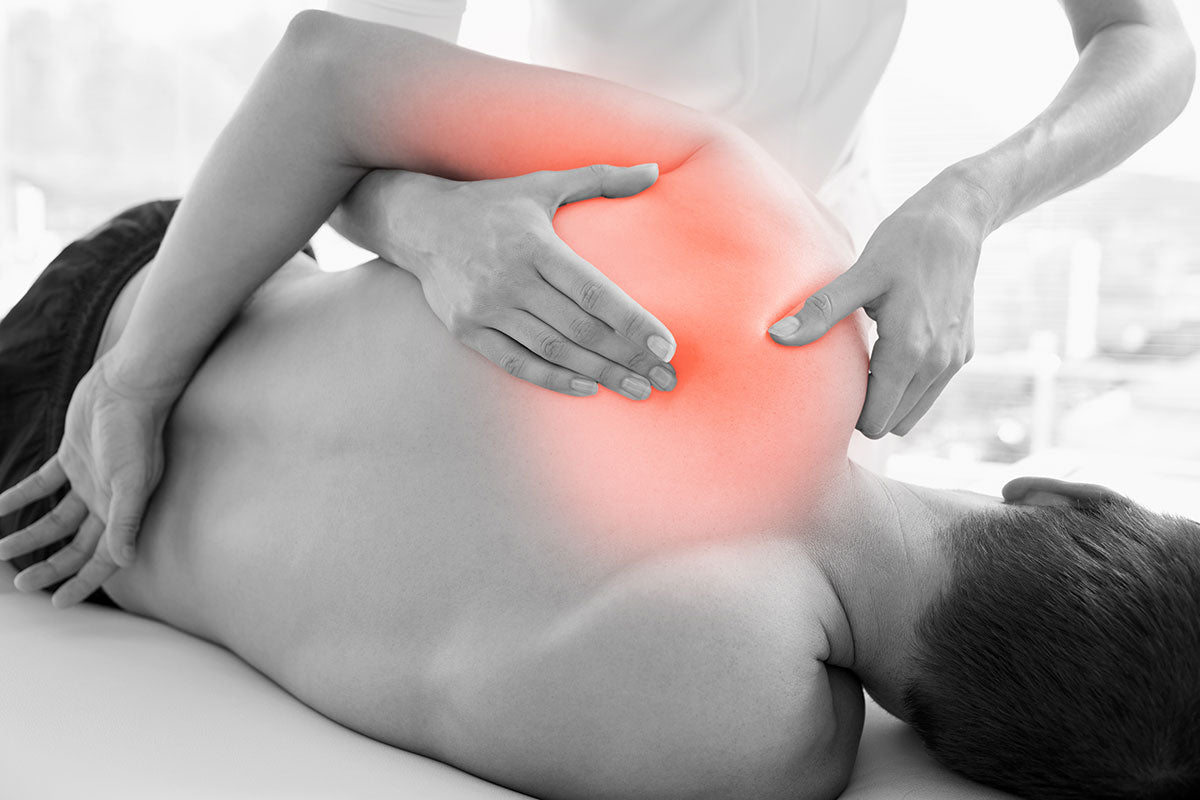
Orthopaedic Consultation
Book a physiotherapy consultation with Dirk or one of his excellent team who are all university qualified and have been additionally trained by Dirk.
Our physiotherapy team specialise in the Musculoskeletal System and understand completely how your nerves, muscles and skeleton work together in a healthy body, allowing us to accurately assess, diagnose and treat your problem.
Our team of physiotherapy specialists is committed to finding the root cause of your condition. Many treatment methods help only with symptomatic relief but do not address the underlying cause of pain and therefore result in only a temporary solution. That is why so many people with pain find themselves in the “Pain Maze” confused over which therapy to undergo, or whether drugs, injections, manipulation or surgical procedures will indeed bring an end to their pain.